0
 Our Contacts:
Mon-Fri: 9:00 am - 6:00 pm
Sat: 9:00 am - 4:00 pm
Sun: 9:00 am - 2:00 pm
8-100-9000-300
27 Oak Street, Tenafly, US, 07670
 Delivery:
Free delivery all orders of $120 or more of eligible items across any product category qualify
 Payments:
Credit Card: Visa, MasterCard, Maestro, American Express
 Return Policy:
You can return any item purchased within 16 days of the delivery date
Shopping Cart
Free Delivery
Free express shipping on orders over $100.00
Delivery within 3 days.
The exact terms and conditions will be available after registration.

Free delivery all over Poland
SMS Confirmation Second Line
Please Note: Items in this category are not able to be returned or exchanged, please understand.

Return and exchange goods are not supported.
Guarantee
Please Note: Items in this category are not able to be returned or exchanged, please understand.

We guarantee quality delivery
Payment Security
Please Note: Items in this category are not able to be returned or exchanged, please understand.

We guarantee quality delivery
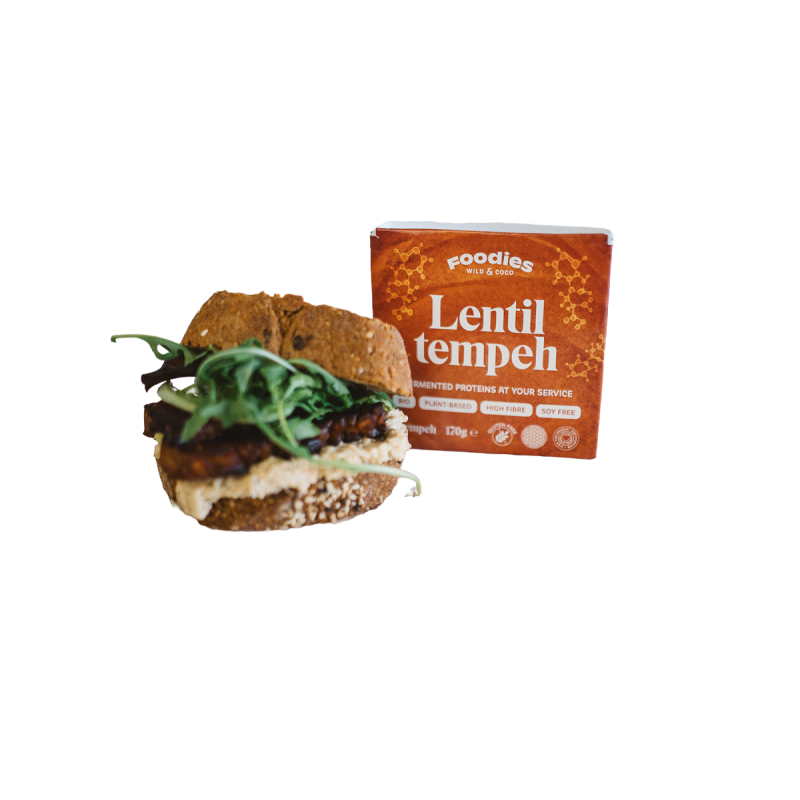
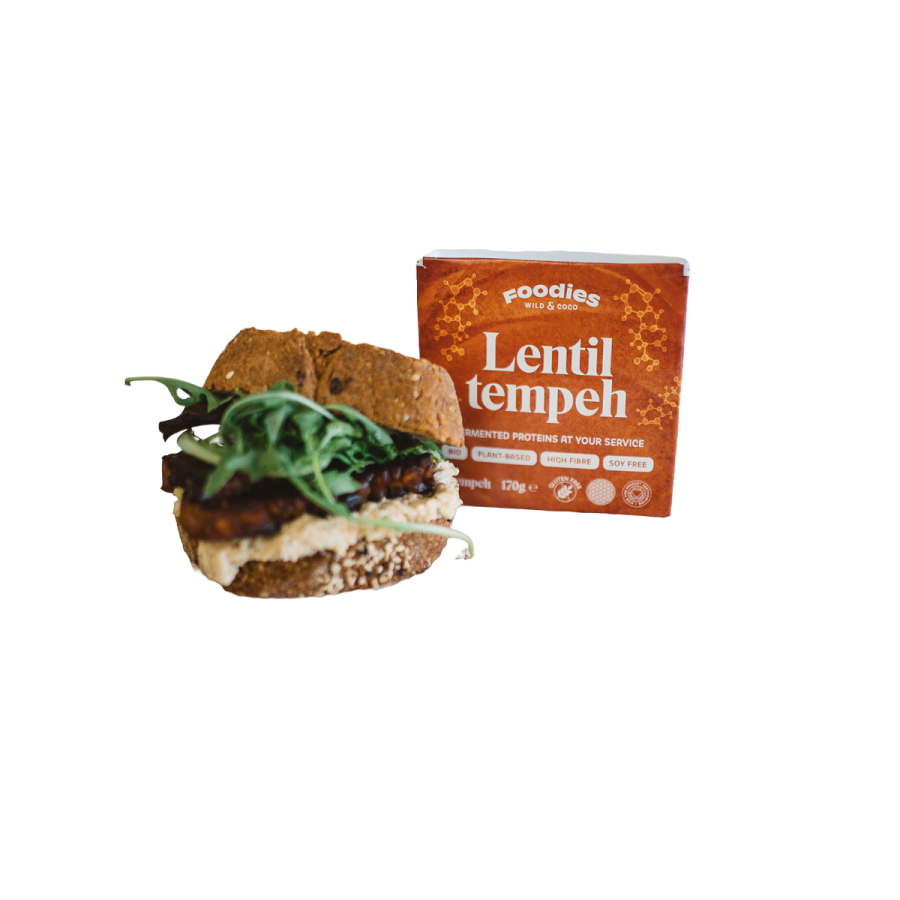
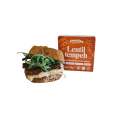
You may have tasted it, but you still don't know what's behind its distinctive taste. And where did it land on the Czech market and on the plates of (not only) vegans? Let's take a look:
Tempeh is originally from Indonesia, where it is primarily made from boiled and fermented soybeans. Due to its high protein content and rich taste, it is a popular meat substitute and is often sold in pure, fermented or smoked versions.
How is it produced?
Cooked legumes (soybeans, lentils, beans, peas) are mixed with a fermentation starter containing live bacteria. These go to work, coating the legumes with a noble and beneficial white mould. The latter is actually a dense mycelium that binds the legumes together and holds them together in their final shape.
Why eat tempeh?
Tempeh is rich in protein and prebiotic fiber, which nourishes the beneficial bacteria in the gut and helps increase their numbers. Many of these gut bacteria then produce short-chain fatty acids, which have beneficial effects on the gut and our overall health.
Tempeh contains bone-friendly minerals including calcium, magnesium and phosphorus. And what's especially magical is that the fermentation process to create tempeh breaks down antinutrients that can hinder your intake of some of these minerals. This generally makes fermented foods easier to digest and the nutrients they provide easier for us to absorb.
And why do we make it from peas and lentils?
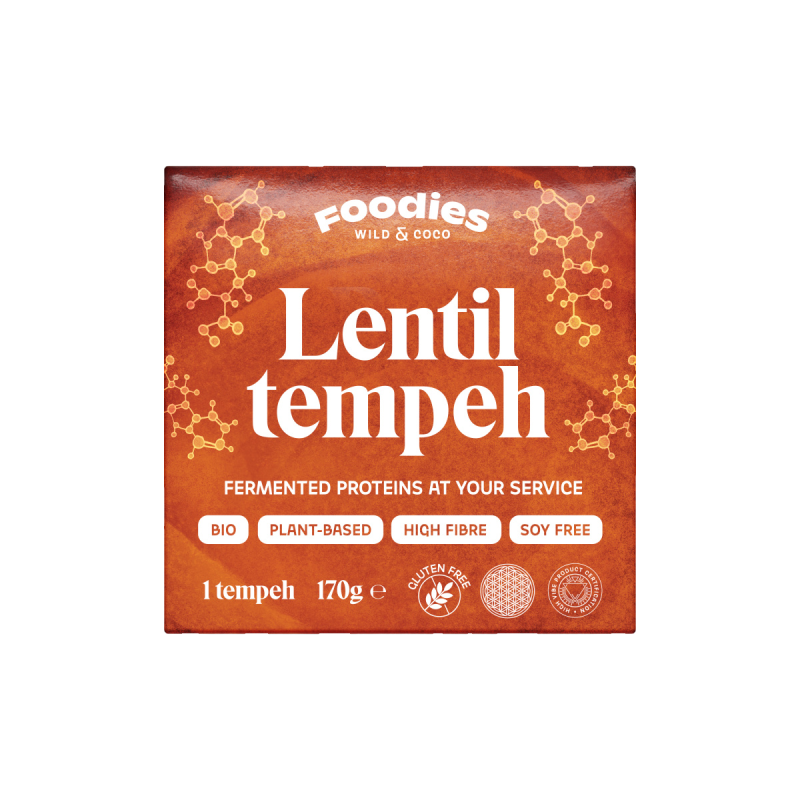
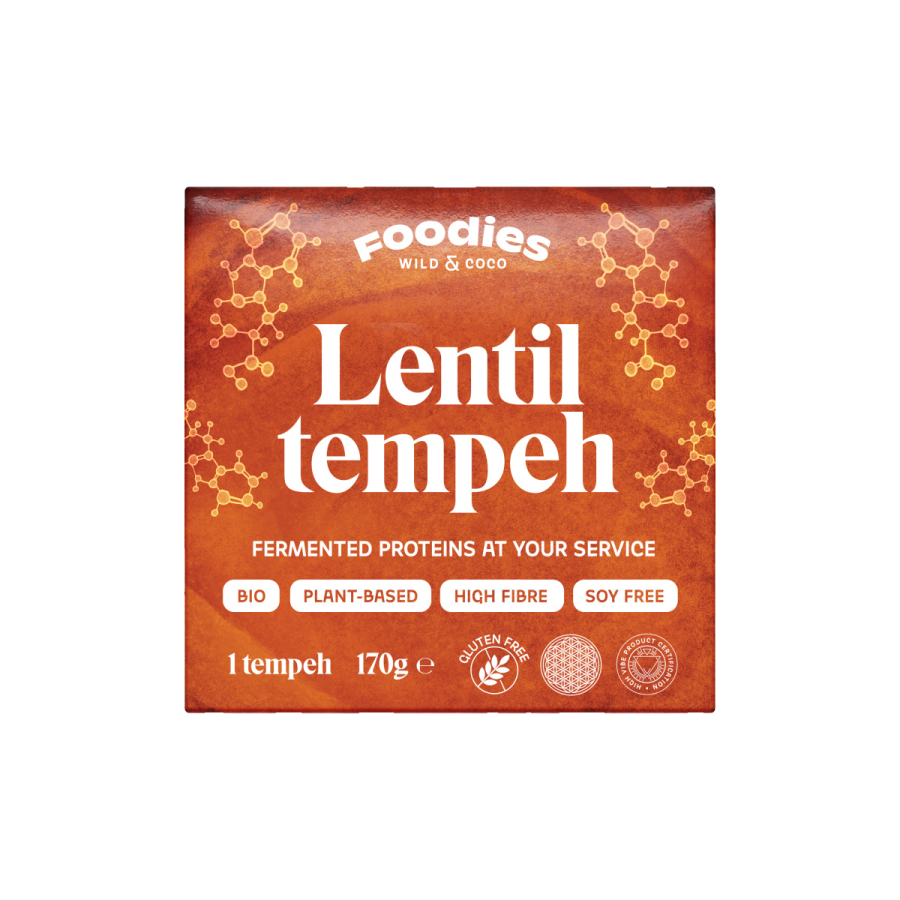
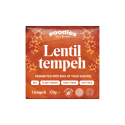
You won't find traditional soy tempeh in our e-shop, but a variant made from peas and lentils, which have been close to Czech culture since time immemorial. You may even know the saying Peas and hail, it's stupid, we have it every day... According to WILD & COCO peas, lentils and hail are definitely not stupid, on the contrary. These proto-raw foods provide the body with deep nourishment and necessary macro and micronutrients.
For example, lentils...
...is unique for many reasons. Its regular consumption reduces the risk of chronic diseases such as diabetes, obesity, cancer and heart disease. Due to its rich content of protective plant compounds called phenols, lentils boast antioxidant, antibacterial, antiviral and anti-inflammatory properties and have cardioprotective effects.
Lentils are rich in prebiotic fiber, which supports digestive function and "fuels" beneficial gut bacteria. And through its folate and potassium content, it serves the heart and in regulating blood pressure and cholesterol. In addition, the iron and vitamin B1 content of lentils helps maintain a steady heartbeat.
Legumes have an overall low glycemic index, which slows the rate of energy release into the bloodstream, which also improves blood sugar control. In addition, up to one-third of the calories from lentils come from protein, which keeps the body satiated for longer.
Ingredients.
Be the first to ask a question about this product!